
10 Ways Americans Can Cut Monthly Bills Starting Today

Managing monthly expenses has become a top priority for millions of Americans, especially as prices rise, interest rates fluctuate, and household budgets stretch thinner than ever. The good news? You don’t need a radical lifestyle change to save hundreds, or even thousands, of dollars a year. Small adjustments stacked together can create big financial wins.
Whether you’re a homeowner, renter, parent, student, or simply someone trying to get better control of your money, these 10 practical, fast, and effective ways will help you and tell you how to cut monthly bills starting today.
How to Cut Monthly Bills and Save money
1. Slash Your Utility Bills with Simple Energy Habits

Utility costs are among the most unpredictable bills for Americans, especially during extreme weather changes. But reducing them doesn’t require expensive upgrades. You only need just smarter habits.
How to cut monthly bills
- Use LED bulbs -they use up to 90% less energy than incandescent.
- Wash clothes in cold water to reduce electricity consumption.
- Unplug unused appliances, which continue to drain power even when turned off.
- Program your thermostat to adjust while you sleep or are away.
- Seal windows and doors to prevent heating and cooling loss.
If you want to take things further, adding smart plugs or a smart thermostat like Nest can reduce your energy use by 10–20% each month.
Estimated monthly savings: $25–$80
2. Negotiate Your Internet, Phone & Cable Bills

Most Americans overpay for internet, cable, and phone services simply because they never negotiate. Providers like Spectrum, Xfinity, AT&T, and Verizon often give discounts, but only when customers ask.
How to cut monthly bills and negotiate on this
- Call your provider’s retention department.
- Mention competitor offers in your area.
- Ask directly: “Is there a promotion or loyalty discount available?”
- Bundle services if it reduces overall cost.
- Drop unnecessary features like premium channels or unlimited international calling.
If you have cable TV, consider switching to streaming apps, which are much cheaper.
Estimated monthly savings: $20–$100
3. How to Cut Monthly bills on Subscription Services

Eliminate or Downsize
Between streaming platforms, apps, digital news, fitness programs, and online tools, it’s easy to lose track of recurring payments.
Audit your subscriptions:
- Check your bank statement for recurring charges.
- Cancel apps you haven’t used in 2–3 months.
- Downgrade premium plans (many offer cheaper ad-supported versions).
- Share streaming accounts with family where allowed.
- Switch to free alternatives for news or productivity apps.
On average, Americans spend $200–$300 per month on subscriptions they barely use.
Estimated monthly savings: $20–$150
4. Refinance High-Interest Debt

If you’re carrying credit card balances or personal loans at high interest rates, refinancing can make a huge difference.
Options to consider and find how to cut monthly bills:
- Balance transfer credit cards with 0% APR for 12–21 months.
- Personal loan consolidation to replace multiple debts with one lower-interest payment.
- Calling your lender to request a reduced APR (often surprisingly effective).
Even a small drop in interest can free up a significant chunk of your monthly payment.
Estimated monthly savings: $50–$200
5. Meal Plan and Reduce Food Waste
Food is one of the biggest monthly expenses for American households, especially with rising grocery prices. But with small changes, you can reduce costs without sacrificing quality.
Effective food-saving strategies as how to cut monthly bills:
- Plan meals for the week before shopping.
- Stick to a grocery list to avoid impulse buys.
- Buy store brands instead of name brands.
- Cook in bulk and freeze leftovers.
- Avoid food delivery apps as they add up to 30% extra.
One of the easiest ways to save is to replace one or two restaurant meals per week with home-cooked alternatives.
Estimated monthly savings: $50–$250
6. Go for More Affordable Insurance Plans

Insurance plans be it auto, home, renters, health, and life, they often makes up a large chunk of household expenses. The good news is that the insurance market is competitive, and switching providers can yield big benefits.
What to check
- Get quotes from at least 3–5 insurers.
- Increase deductibles if you rarely make claims.
- Bundle auto and home insurance for better rates.
- Ask your provider about discounts for safe driving, low mileage, or security devices.
- Check if you’re paying for duplicate coverage.
Many Americans stay with one insurer for decades without noticing their premiums creeping up annually.
Estimated monthly savings: $25–$150
7. Reduce Transportation Costs

Whether you own a car or rely on public transit, transportation costs can eat up a large portion of your budget. Thankfully, small changes can lead to significant monthly savings.
Ways to save:
- Carpool to work or school.
- Use gas price comparison apps like GasBuddy.
- Keep your tire pressure correct for better mileage.
- Limit rideshare use (Uber/Lyft add up quickly).
- Consider public transit once or twice a week if available.
- For two-car households, evaluate whether one car can be downsized, refinanced, or sold.
If your car loan interest is high, refinancing may also lower your monthly payment.
Estimated monthly savings: $30–$200
8. Cut Back on Banking Fees & Optimize Your Accounts

Hidden banking fees include ATM fees, overdraft charges, monthly maintenance fees that silently drain American households every month.
How to avoid them:
- Switch to zero-fee checking accounts.
- Use ATMs within your bank’s network.
- Set up alerts to avoid overdrafts.
- Automate bill payments to avoid late fees.
- Use credit cards with cash-back or rewards benefits.
You might pay hundreds of dollars yearly just for using the wrong bank.
Estimated monthly savings: $10–$50
9. Shop Smarter for Household Essentials

From cleaning supplies to toiletries to pet care products, household items accumulate into a significant part of monthly spending.
Better shopping strategies:
- Buy in bulk at Costco or Sam’s Club (especially for families).
- Use coupons and cash-back apps like Rakuten and Ibotta.
- Switch from premium brands to generic.
- Buy seasonal items when they’re discounted.
- Track sales cycles at your favorite stores.
This method also applies to clothing, waiting for seasonal sales can save up to 50–70% on purchases.
Estimated monthly savings: $20–$100
10. Implement a Simple Budgeting System
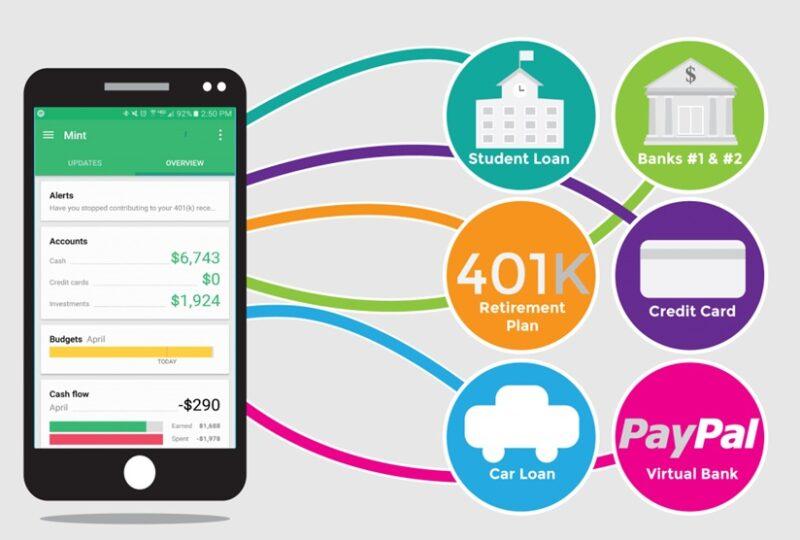
One of the easiest and most overlooked ways to reduce expenses is simply tracking where your money goes. Most Americans underestimate their spending by 30–40%.
Follow the popular budgeting systems:
- 50/30/20 rule – 50% needs, 30% wants, 20% savings.
- Envelope system – great for controlling shopping or dining.
- Zero-based budgeting – assign every dollar a job.
- App-based budgeting – Mint, You Need A Budget, Rocket Money.
Once you see what you’re truly spending, it becomes easier to adjust.
Estimated monthly savings: unlimited as it depends on your lifestyle changes.
How To Increase Your Income While Cutting Costs
Sometimes saving alone isn’t enough. Combining cost-cutting with income-boosting creates the fastest financial growth.
Ways to earn extra:
- Freelancing online (writing, designing, tutoring).
- Selling unused items (eBay, Facebook Marketplace).
- Part-time gig work, Uber, DoorDash, Instacart.
- Remote customer service jobs.
- Renting unused storage space, driveway, or equipment.
Even an extra $200–$400 per month can dramatically strengthen your financial security.
Final Thoughts: Start Saving Today
Cutting monthly bills doesn’t require extreme sacrifices. By using the above mentioned strategies, negotiating bills, reviewing subscriptions, saving energy, budgeting smartly, and purchasing strategically, you can free up hundreds of dollars each month without reducing your quality of life.
Start with one or two areas and gradually build up. In just 30 days, you can see a noticeable difference in your bank balance.